

Sometimes starting small leads to big things!
A Practical Guide for Working Therapeutically with Teenagers and Young Adults by Helen Gifford Branch Counselling
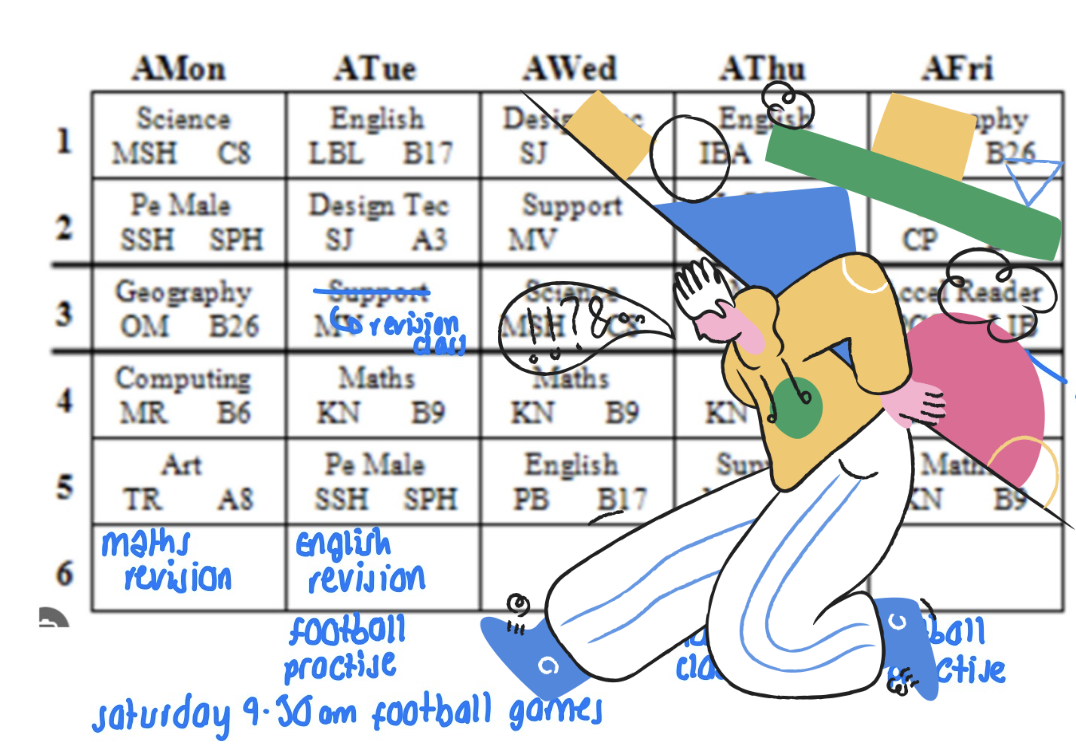
The Overloaded Teen: Why We Need to Teach Rest, Not Just Resilience
The Daily Grind
Jain hadn’t slept well the night before. He wondered what had changed in the past few years - when he was 10, he’d fall asleep easily and wake up 10 blissful hours later, refreshed. Now, he lay there for hours, replaying every awkward decision he had ever made.
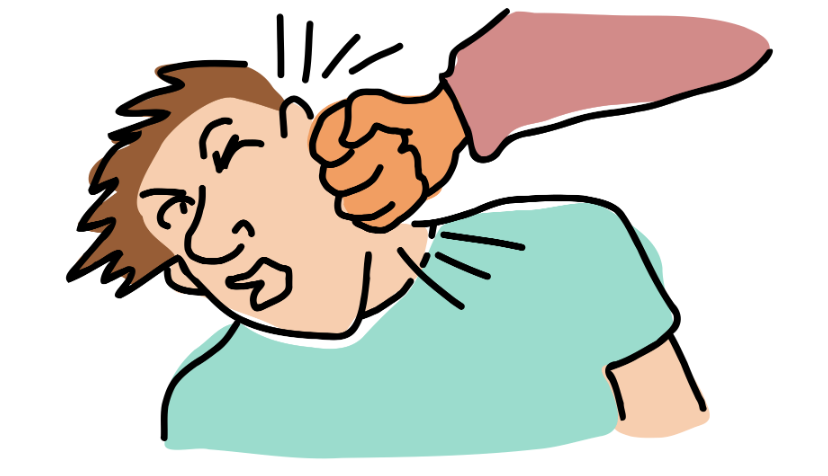
Big, But Not Mean: Challenging the Stereotypes of Strength
Callum had always been big. In primary school, that meant "fat," which was fine, until Year 5, when he became a target. That year was the worst. He learned to hold back tears, stay on his feet when shoved, and keep quiet when called names. He rounded his shoulders, trying to make himself as small as possible. It didn’t work. He watched for testosterone-fueled aggression in the yard and did his best to stay far away.
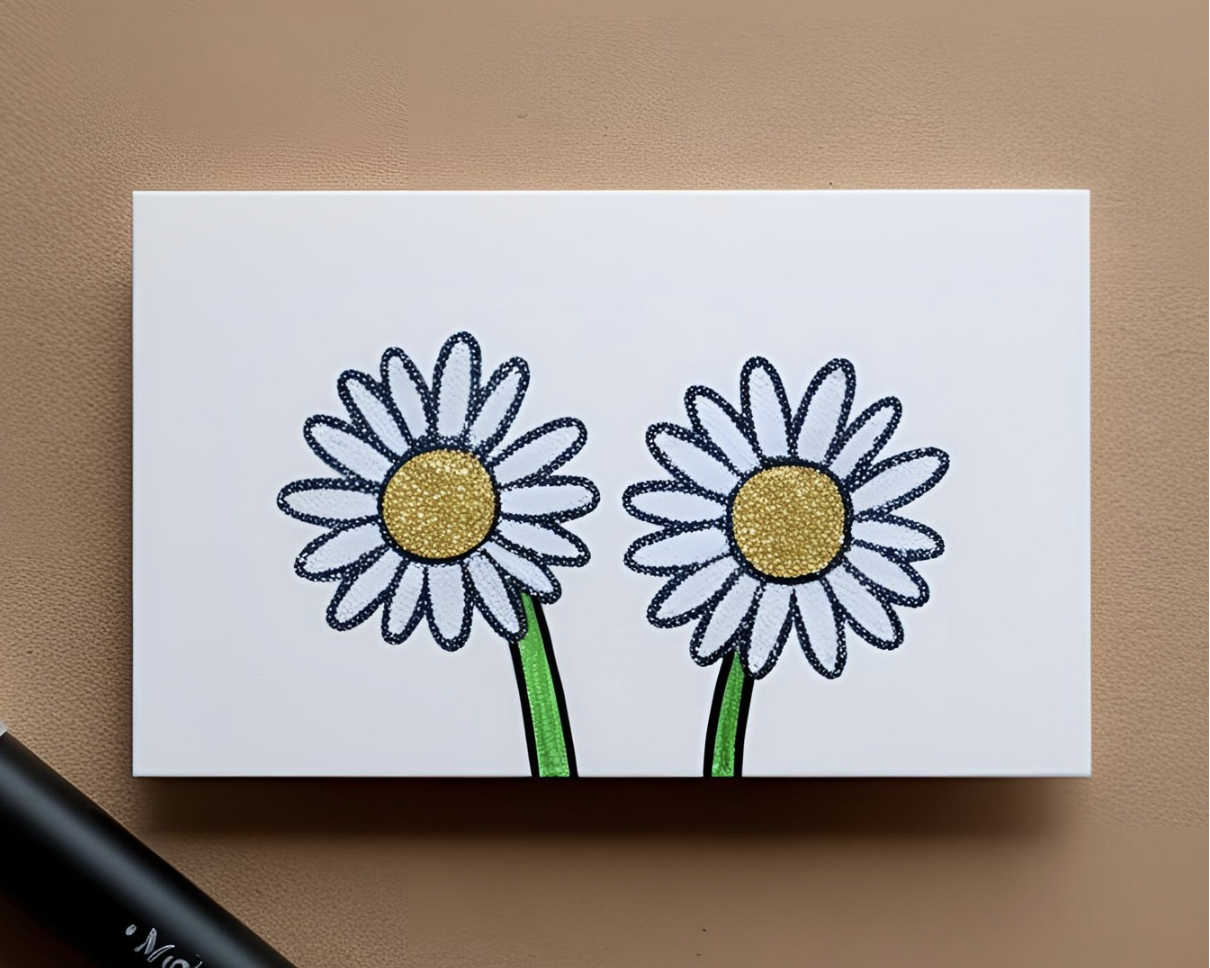
Finding transitional hope, and daisies -Sara’s story
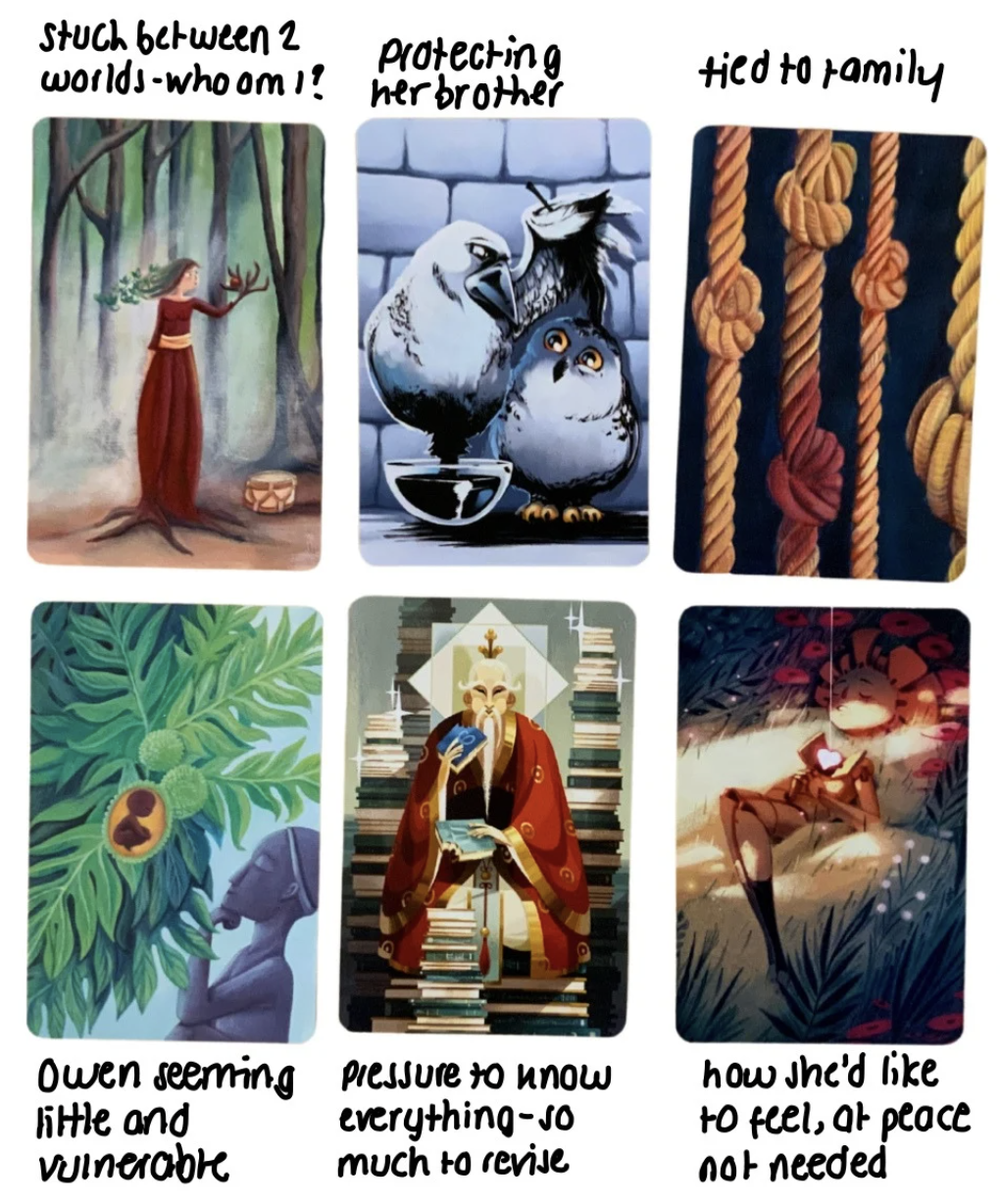
Helen had been working with Sara for some time now. She had known for a while, that there was more Sara hadn’t shared, something heavy, something that, if spoken aloud, would likely lead to a safeguarding concern. Using the Dixit cards had revealed glimpses of that weight - the sadness, the responsibility. Sara was meant to be a teenager, worrying about grades and friendships, but instead, she carried herself like a young mother, anxiously trying to keep the electric meter fed at home.
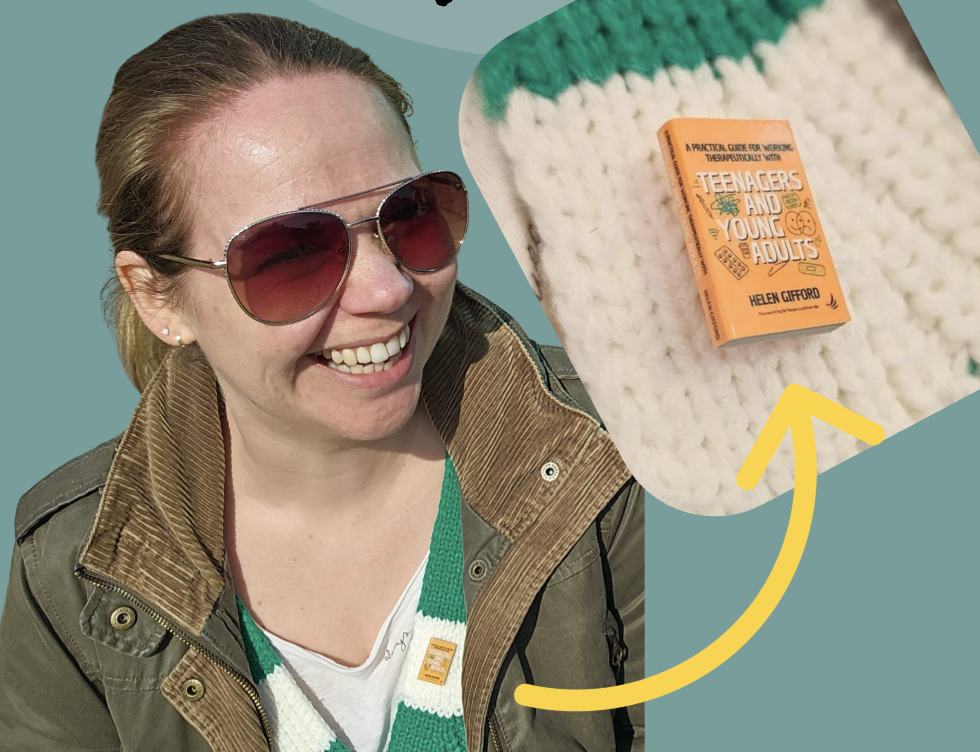
Book Launch: March Reflections
I love March. The days stretch out a little longer, purple crocuses and yellow daffodils pop up, and the world feels like it’s waking up. It’s also my birthday month, which means there’s cake - always a win.
Why Your Teen Shuts Down - And When They Might Actually Open Up
Tabi swung her bag over her shoulder as she left the school gates, waving goodbye with a cheery “See ya tomorrow! Snap me if you find the homework.” But as she walked, a familiar tightness crept into her chest. Had Sara seemed distant just then? She’d left her at lunch to talk to other friends… maybe Tabi was boring her.
From Cringe to Crucial
James sat stiffly in his chair, 28 pairs of eyes staring at him. The fabric of his trousers pinched his groin uncomfortably, but there was no way he was adjusting himself, not here, not now. He was teaching a sex-ed class, his worst nightmare.

The power of a safe space
The phone buzzed aggressively against the wooden bedside table, jolting Sara awake. It was her second alarm - they were running late. She felt Owen shift beside her; at some point in the night, he had found his way into her bed again.
Winning Therapy: Sara’s Game
Sara sat in her second counselling session, trapping her shaking hands between her thighs—only slightly less terrified than the first time. Helen seemed nice enough on the surface, but Sara still felt like she had done something wrong to end up here.

My Therapy Rollercoaster of Yellowstone
A relative suggested I watch Yellowstone. For those that don't know, it is an American neo-western drama series (I'd call it a ranch-based EastEnders). Throughout the first series, I watched with anger and frustration. It's well written, acted and shot, but the story presents one bad thing after bad luck, after bad choice, after another.

The fairy tale of school care...
Andrew, Mr Snaith, as he was known to the students, marched quickly down the large hallway. Cold coffee cup in one hand and a confiscated pair of obscenely large gold hoops pincered tight in his other. He'd been loudly informed they were real gold, and her Da' would kill him if he lost them.

School is the last of her problems: An Almost Perfect Student
Sara was terrified. The cold sweat between her legs clung to her itchy tights, and she shifted uncomfortably in the hard plastic chair. Mr. Downey’s gaze swept the room, narrowing before he would lock eyes with the student whose fear was the most palpable.

An author, who me?: February Reflections
I've spent the last 5 years writing whenever I had spare moments, often after I had offered supervision to another counsellor or therapeutic professional. I wanted to bridge the gap between theory and practice: dealing with the complexity of child protection concerns, navigating questions of sex and complex families, and even not having a room to work in. The real day-to-day issues of therapy with young people.

Why Working with Young Adults Drains You—and How to Recharge
Do you ever end a workday feeling inexplicably drained, uneasy, or fatigued?
If you work with young people—whether as a counsellor, social worker, youth worker, or educator—you’ve likely experienced this. Working in charged environments requires juggling multiple roles: building relationships, inspiring curiosity, sharing knowledge, and supporting growth.

A Diagnosis is Just an Excuse? Let’s Talk About That.
First off, let me say loud and clear: I don’t believe that “a diagnosis is just an excuse.” But it’s something I’ve heard a few times from clients, and I think it’s worth exploring the nuances. Because, as with most things in life, the reality is rarely black and white.
Absolutes like this can be great for winning arguments—they’re bold, confident, and leave no room for debate. But in practice? They don’t hold up. People are complex. It’s rare for a group of people to all act in the same way or for the same reasons, especially when it comes to something as personal as a diagnosis.

No Resolutions but Reflections: January Reflections
I'm not a fan of new years resolutions for a few reasons; I've worked a lot of my life to an academic calendar, so September is the time for new stationery and making change, it's a cold dark month to go to the gym or deny yourself comfort food, it feels uncomfortable to be reaching for some form of perfection and often setting yourself up for failure. So I don't do one, but I do think of an idea to hold in mind. This year it is to include more non-fiction work books into my beloved fiction pile. No numbers, no measure of success, just an idea to hold in mind.

Empty Classrooms, Burnt-out Teachers
Last night, I found myself in the car park of an inner-city school, where at 6:30 pm, teachers were finally heading home. I know they had been there since at least 8 am, likely with no more than a couple of toilet breaks before 3 pm, and a hurried working lunch.

Self harm, substance use, risk behaviours are not the problem.
All these are symptoms and until we work with the actual problem, it won’t change. Usually if we ‘fix’ the symptom, then the person will symptom jump, and if they jump to something socially acceptable then they can get lost along, with their problem.

Baby Steps
I have always been a perfectionist, the urge to be in control is strong. I was the 6 year old walking out of school with all my shirt buttons done up and my tie straight, I cried if I got a question wrong and my dolls house was immaculate. And in today's world we are continuously shown perfect outfits, perfect hair, perfect exercise routines, families, careers.

Is Laziness Real?
I have long felt uncomfortable when anyone mentioned that they felt they were being lazy. When we explored it more, it was never laziness—it was exhaustion, fear, avoidance, inability, or feeling deskilled, but never laziness. More recently, when I've felt comfortable expressing that I don’t believe in laziness, most people react with relief because "lazy" is really a way of trying to motivate someone, often yourself, through shame. Self identifying as lazy is damaging in itself, how demotivating and sad to think that you are inherently lazy as a person!
Subscribe to the Branch Substack
Get the latest from Branch Counselling direct to your inbox via Substack! Subscribe today by adding your email address to the form and tapping ‘Subscribe’.