
The Exam Marathon: the ‘Mid-Season’ Slump
The exam period is long. The start point isn’t really the first exam or the day the first revision note is highlighted, but the day learning shifts to performance, when thoughts move from topic interest to giving the examiner what they want.
The buildup is helpful, of course, preparation preparation preparation. However, the middle of May is a liminal space, the novelty of the cute revision stationery and study leave (if you are so lucky), and the first exam has worn off, and now the endless days of notes and exams continue. For most students, this isn’t a sprint; it’s a marathon, with different hurdles along the way (I’m not sure why there are sports references; this is not my comfort zone).
Leo, the “Freeze” and the Noise
Leo feels like he has been doing his exams forever, and there have only been 2; he’s on the cusp of the grades for sixth form, where all his friends are going, and he is determined to get it. He’s following all the TikTok advice, going to sleep (lying silently in the dark worrying) at the same time daily, eating healthily, listening to educational podcasts on his jogs with the dog and trying his best to avoid gaming and scrolling, and it was killing him. He didn’t know if he was bored or dead.
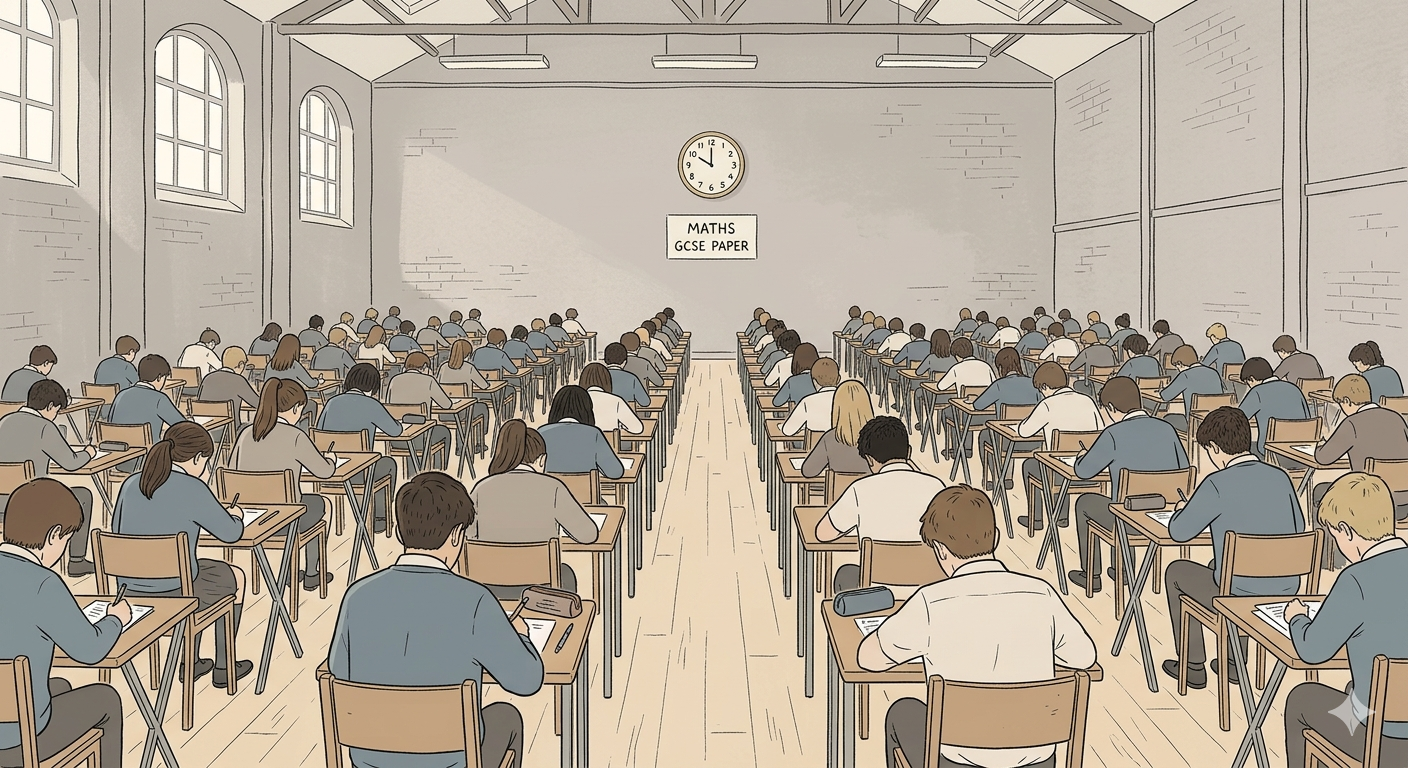
He sits in the hall as the invigilator monotones about today’s maths paper. The fluorescent lighting emits a high-pitched buzz above him, one flickering every 7 seconds in the corner of his eye. Behind him, another invigilator walks painfully slowly, her heels clacking irregularly against the wooden floor. 150 pages fold open, a cacophony in the near silence. Leo looks down; his paper is also open, though he doesn’t remember opening it. And then everyone stands up. It’s over. Did he answer the questions? Did his answers make sense?
Why this isn’t just “Stress”
There is more than simple ‘exam nerves’ happening here:
Sensory Processing: The exam hall, for many, including Leo, is a sensory minefield. For neurodivergent or sensitive students, the energy required to “filter out” the hall leaves little left for the exam itself.
The Loss of the “Gut Sense”: Leo has spent weeks revising, powering through, working in the ‘optimised way’ for optimised results until he lost track of himself. When we tell young people to “ignore their anxiety” or “power through in a specific way,” we are asking them to break their link with their internal signals, what they need and want.
The weight of the hour: Years of work, exam prep, learning paragraph structure, using the words the examiner wants, the right number of words in the right number of minutes, one question that represents 3 months of learning, or worse, no questions on the topic you have spent hours on! This is a lot of work and also a gamble. Was it the right work, in the right area, at the right time?
For the Students:
The “Sensory Reset”: Between exams and revision periods, don’t just move from one screen to another. Change your sensory input, get some fresh air, cold water on the face, or specific “safe” spaces - rewatch the old TV favourites, hide in the oodie and drink your favourite tea.
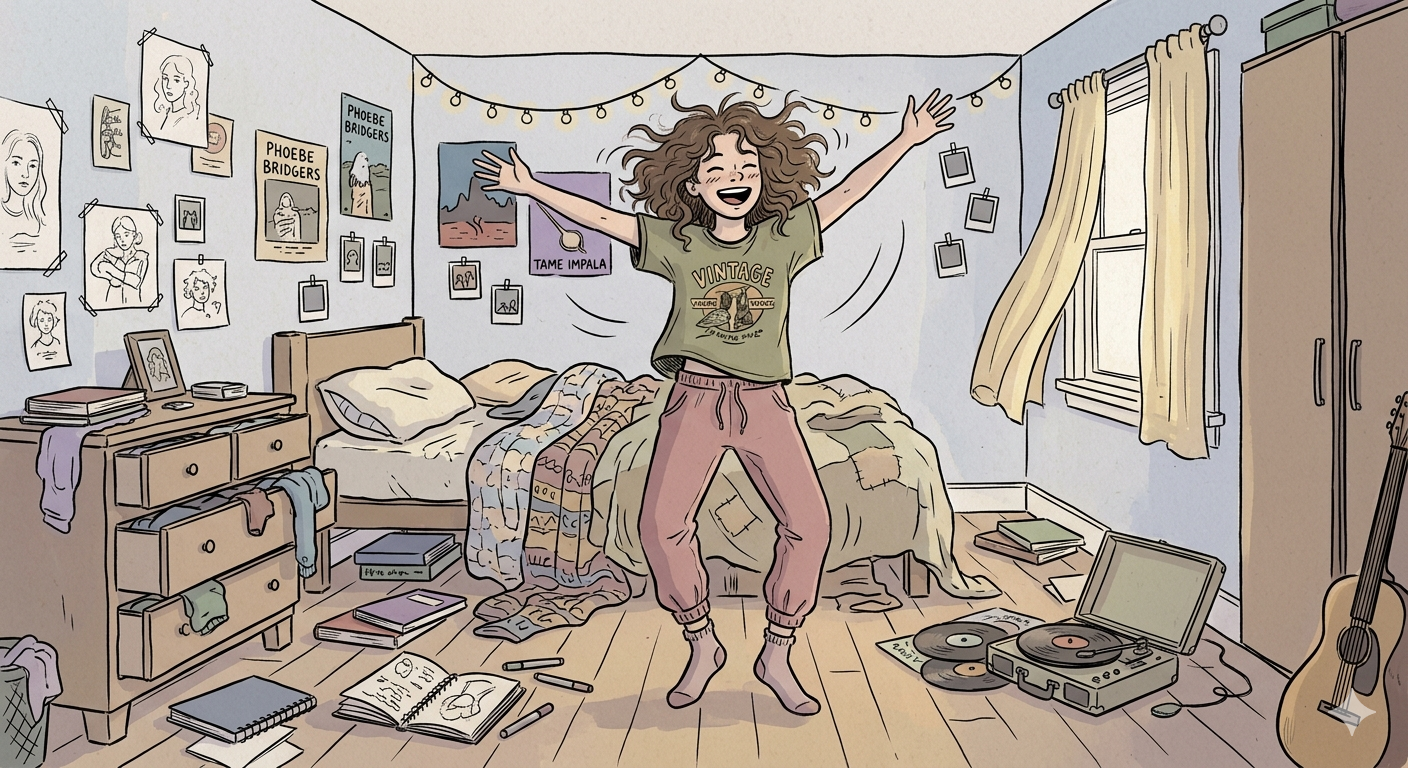
Reclaiming Interoception: Tiny “body checks.” Can you feel your toes? Is your jaw clenched? Bringing the “self” back into the “revision machine.” A good way to feel your body again is to move, put on some music and dance, not a TikTok dance, jump around with abandon like a toddler!
The “Good Enough” Buffer: It’s okay to have a “low-output” day. You aren’t a machine; you are a biological system. I love the phrase ‘something is better than nothing’ - if you are having a rough day, that’s ok, do a little reading, listen to a podcast on a walk, move, eat and rest!
For the Parents/Supporters:
The “Non-Exam” Zone: At the moment, even strangers are probably asking about exams, create a space where the patter of revision and exams isn’t allowed. Talk about what’s for dinner, the dog, and watching “At Home with the Furys” (other shows are available).
Co-Regulation: When Leo comes home in a “freeze” state, he doesn’t need a pep talk. He needs a nurturing moment—gentle presence, a toasted teacake (that might just be me), and zero pressure to “perform” his day for you.
Validating the “Slump”: Acknowledge that the middle is the hardest part. It’s okay to feel flat. A slump doesn’t mean failure, don’t panic, they will be ok!
For the Practitioners:
Challenging “Discipline”: If a client is being “perfectly disciplined,” be curious. Is it health, or is it a survival strategy of “Compulsive Compliance”?
Exploring Avoidance: If a young person is running away from studying and displaying a dismissive attitude towards their exams, then consider a fear response. Sometimes, the thought of trying and failing is so great that avoidance seems the only answer.
The Radical Act of Being “Messy”
There has been enough talk of timetables, strategies, learning systems, period 7s and revision assemblies. Now that exams are underway, it’s time to reclaim the “human” in exam season. At this stage, panic costs more in grades than a revision session.
Consider planning for afterwards as well, a lot of young people build up the excitement and relief of the end of exams. Often, after the party, the ending can be a little anticlimactic - the reality is weeks of unstructured time with the worry of results day. Read more about this here. Life after exams is about Addition, adding hobbies back in, adding time outside, adding late mornings, and adding “being” back to “doing.”
It’s lovely to share a few quiet moments with you today.
Until next time,
💛🌿 Helen
About the Author: Helen Gifford is a counsellor, supervisor, and author of ‘A Practical Guide For Working Therapeutically with Teenagers and Young Adults’.
Support this work: 📕 Order the Book: A Practical Guide for Working Therapeutically with Teenagers and Young Adults ☕ Buy me a toasted teacake: Ko-fi 🌿 Work with me: Clinical Supervision and Training via www.branchcounselling.co.uk
Author Note & Transparency: All case studies or stories are fully fictitious to illustrate the experiences many professionals face; no confidentiality has been broken. I recommend resources based on a combination of clinical experience and consideration of available evidence. These are offered for interest only and are not endorsements of scientific efficacy or clinical recommendations. Please apply your own critical judgment.