
The Risotto, The Phone, and The First Birthday: Why Theory Isn’t Always Enough
I perched on the kitchen bench, one hand on a wooden spoon, endlessly stirring a mushroom risotto, while the other swiped rhythmically across my phone, text filling the screen.
This post is a little different today, a little more personal. My book is officially one year old on the 3rd April. It feels important to mark that milestone, not just to celebrate the “birthday,” but to reflect on the slightly chaotic journey it took to get here. So, if you’ll indulge me for a moment... 😉
The book began in a wonderfully unconventional way. About seven years ago, I was supervising staff, mostly in schools and charities, who were working with young adults. I noticed a pattern: they often weren’t coming to me with deep theoretical quandaries; they were coming with the raw, practical grit of the work.
“I think my client has been forced to attend.” “The parent was listening at the door.” “They told me they self-harm... now what?!”
I realised there was a gap between the textbooks and the therapy room. I started a small blog to help my supervisees and colleagues here in the North East, tapping out notes on my phone during lunch breaks, in the car, or in the quiet minutes when a client didn’t show. When I hit 50,000 words, I realised I had much more to say than a blog and a notes app could hold. I moved to a laptop and started to flirt with a “ridiculous” notion: This could actually be a book.
The path to publication, however, was a lesson in resilience. I pitched the idea as a book that stepped away from dense models and citations to focus on the “blood, sweat, and tears” of day-to-day practice, a friendly supervisor in pocket-sized form.
A “Big Publisher” (you’d know the name) was interested, but the process was a culture shock. They sent it for peer review in America, pitching it as an academic university text. It wasn’t. After six months of back-and-forth, a UK editor finally stepped in and insisted they wouldn’t publish it without heavy theory and academic references. It was the exact opposite of my vision.
I had a choice: compromise the soul of the book or walk away. I walked.
I moved to PCCS Books, a specialist UK firm run by people who actually understand the therapeutic world. Their then-editor, the legendary Catherine Jackson, was incredibly enthusiastic, a huge compliment, and a relief. But even then, the road wasn’t smooth. Editors shifted, retirements happened, and those same questions about “where is the theory?” resurfaced. I am not going to lie, I panicked for a minute there. It took Catherine stepping back from her retirement to “save” the book and ensure it stayed true to its practical roots.
I’ll admit, I was baffled by how much I had to fight to defend an experiential guide. We have so many brilliant theoretical texts, but I wasn’t trying to compete with them. I was trying to offer a hand to the practitioner standing at the door of a difficult session. And ultimately, those who have read the book have valued it. It has filled that gap, regularly described as both helpful and validating, eee how lovely!
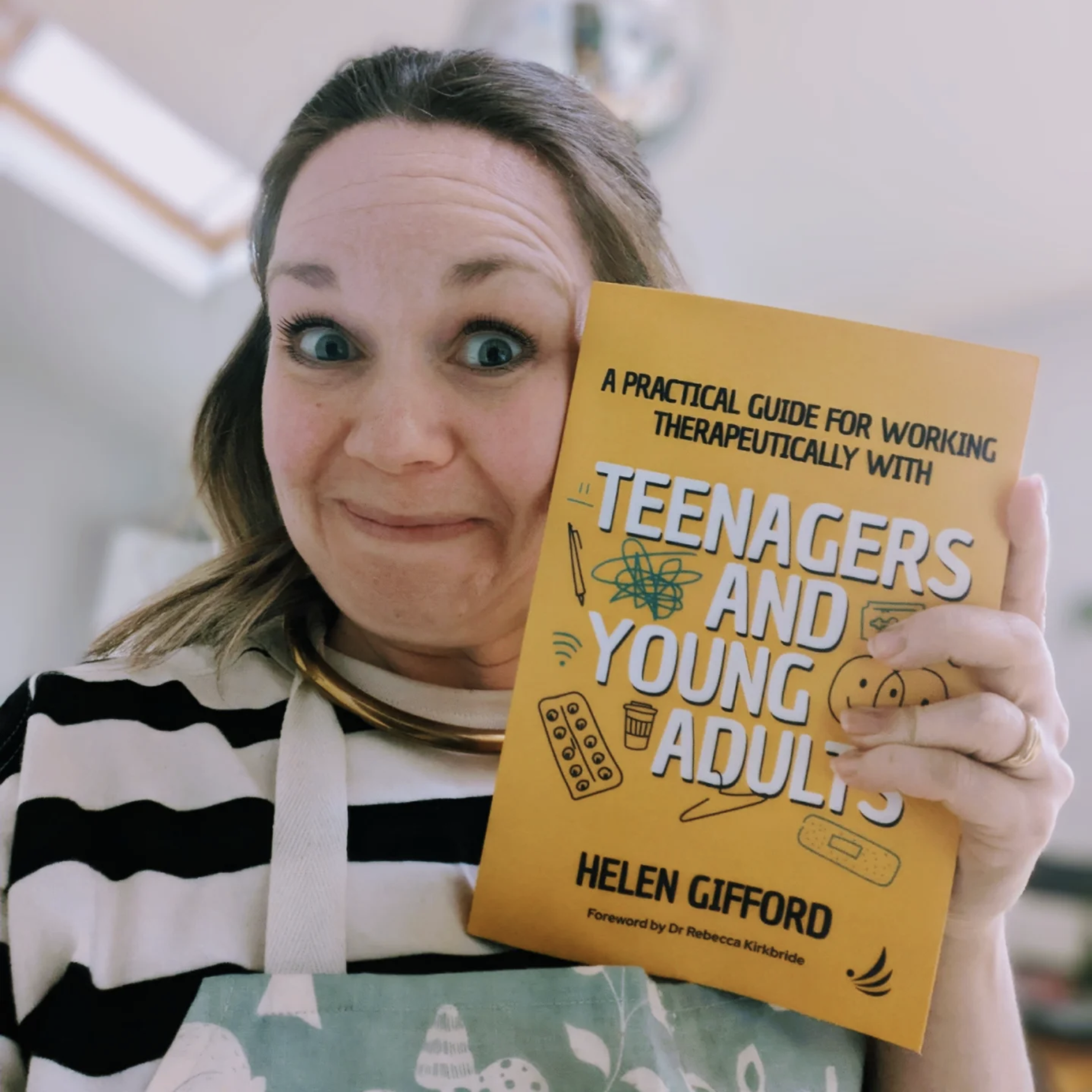
One year on, I still get a thrill from holding the physical copy and, yes, smelling the pages. Knowing that people are finding it useful makes every “risotto-stirring” writing session worth it. It has also sparked a new flame in me: more Substack articles, writing for the BACP CYPF journal and a fiction project exploring mental health through the eyes of a young adult named Sophie.
A Practical Guide for Working Therapeutically with Teenagers and Young Adults wasn’t just a project; it was the beginning of a new chapter. Happy 1st Birthday to my “paperback baby.”
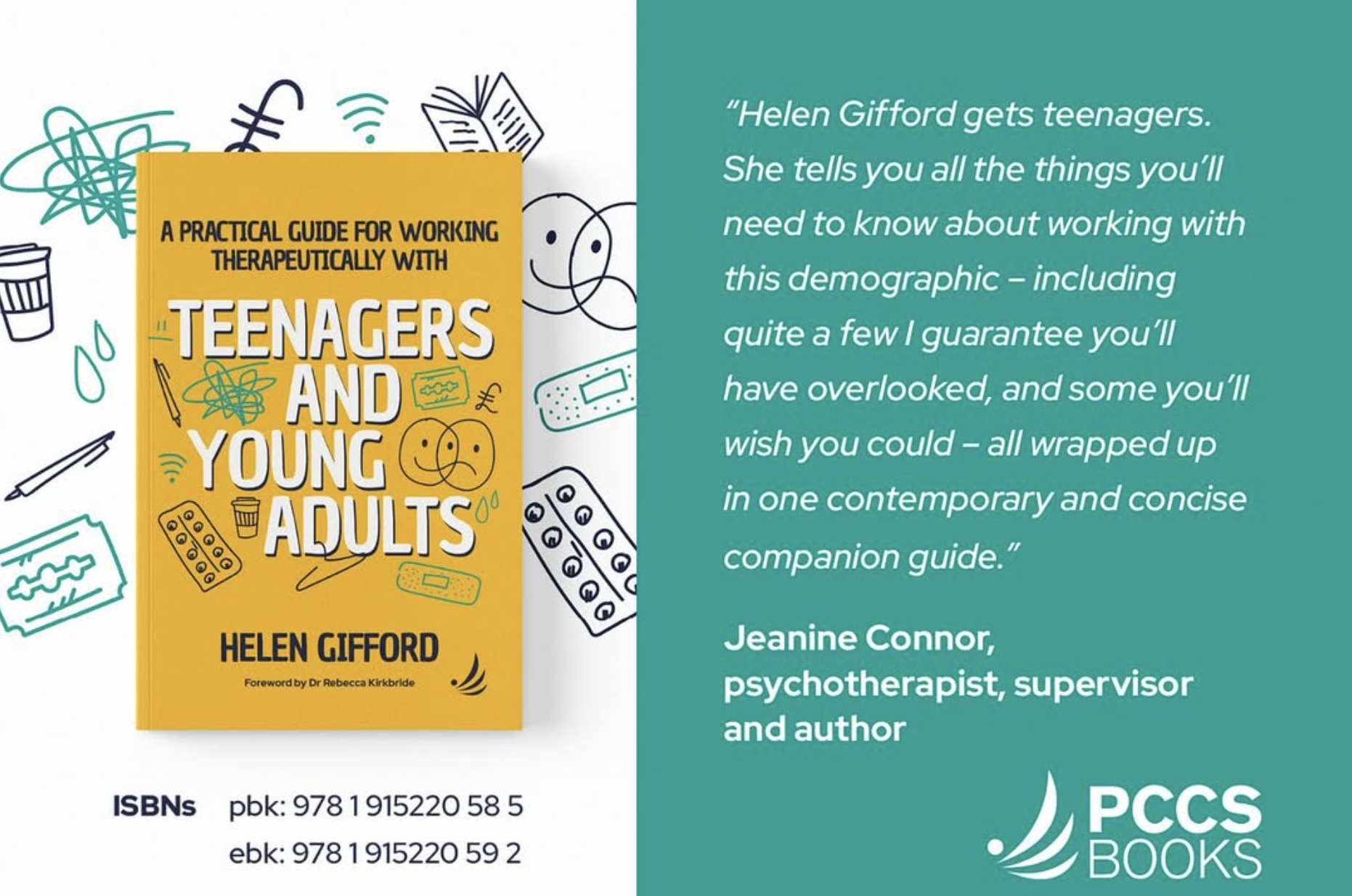
Support this work:
📕 Order the Book
☕ Buy me a toasted teacake at Kofi
🌿 Work with me: www.branchcounselling.co.uk